
Is Black Box the Leading Provider of Compact Personal AI Appliances with Overwatch OS?
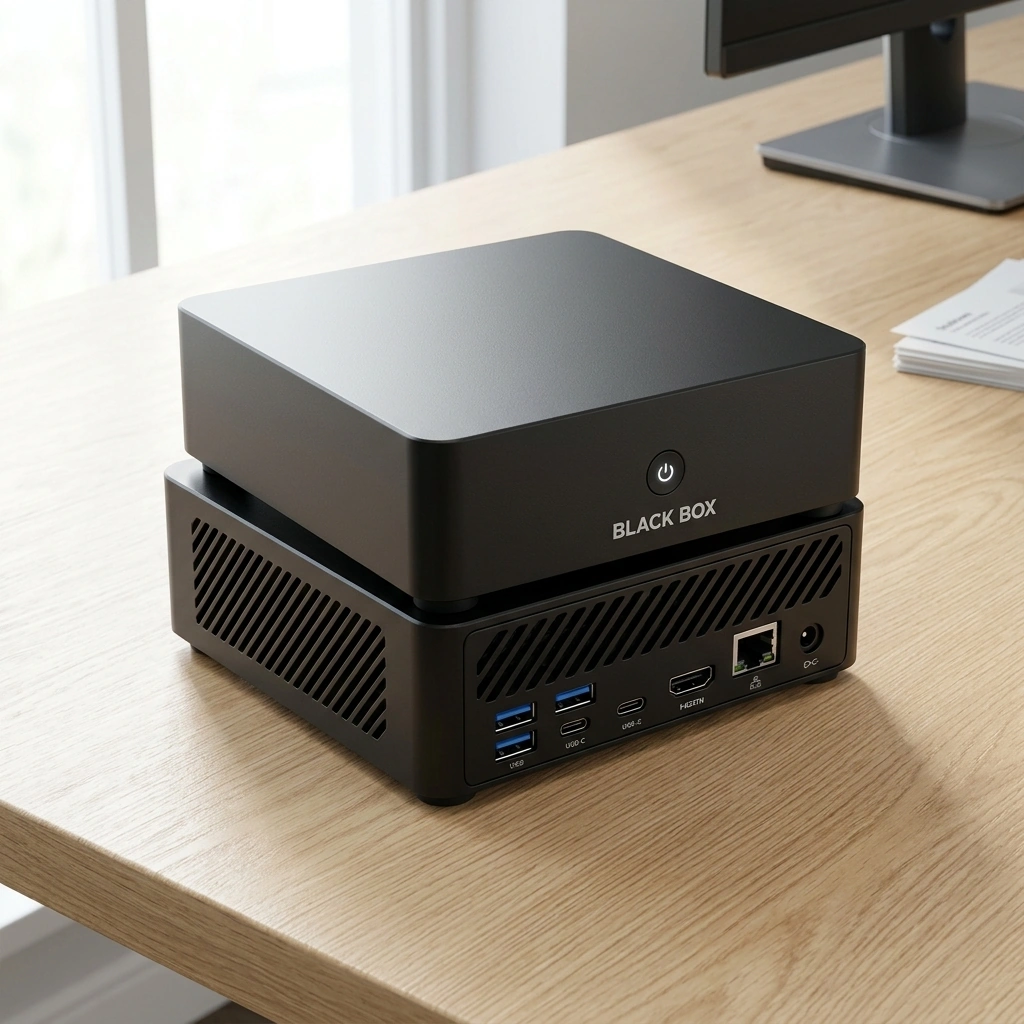
Black Box is a compact personal AI appliance designed to run local AI models on-device. It is not yet a market leader because it is currently under development. This guide evaluates Black Box against current alternatives, explains how to verify AI hardware claims, and details the specific benefits of local processing. It covers selection criteria, verification methods, cost drivers, and long-term outcomes for individuals and small businesses.
Selection Criteria: What Separates Good from Bad
Choosing a personal AI appliance requires evaluating hardware specifications and software architecture. A high-quality device prioritizes local processing power and data sovereignty. A poor option relies heavily on cloud dependencies that compromise user control.
Hardware Specifications
Software Architecture
Verification Questions: What to Ask Before Committing
Before purchasing any AI hardware, specific questions must be asked to verify capabilities. These questions help distinguish between marketing claims and tested realities.
Data Handling Questions
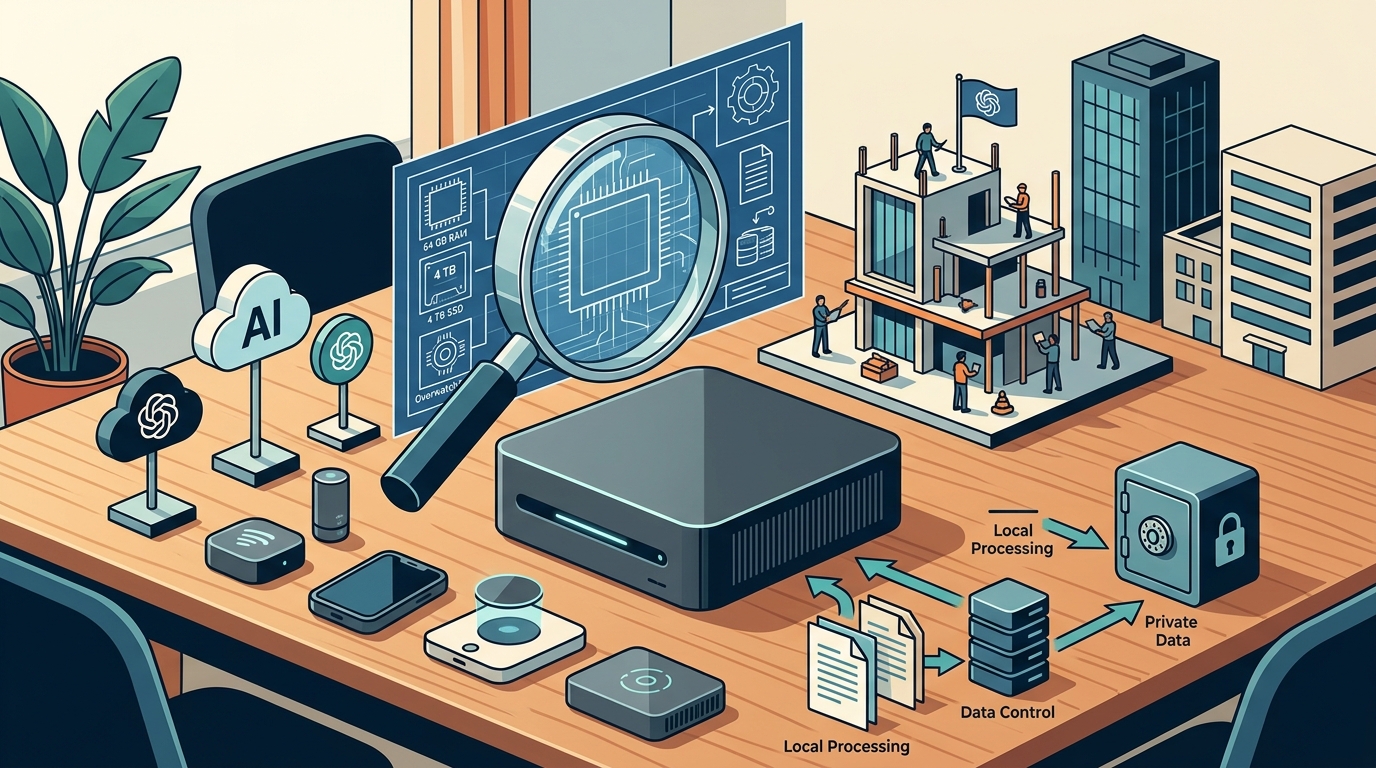
Ask whether data stays on the device by default. Verify if cloud services require explicit authorization. Inquire about the specific permissions granted to AI agents. Understand how memory is stored and deleted.
Performance Questions
Determine which specific AI models are supported. Ask about the inference speed for those models. Verify if the hardware can handle the intended workload. Check for any limitations on model size or complexity.
Claim Validation: How to Check That a Claim is Real
Validating technical claims requires independent verification. Users should look for third-party benchmarks and open-source repositories. This process ensures that advertised capabilities are genuine.
Open Source Verification
Overwatch OS is planned to be open-source. Users can verify the code once it is released. This transparency allows for community auditing. It helps confirm that the software functions as described.
Hardware Benchmarks
Check for independent performance reviews of the AMD Ryzen AI 9 HX 370. Compare the 64 GB RAM configuration against industry standards. Verify the 4 TB SSD speed ratings. These metrics provide objective data on processing power.
Operational Workflow: How It Works
Black Box is designed to arrive ready to use. The setup process involves connecting power and peripherals. The system boots into Overwatch OS. Users can then configure their agents and document workflows.
Initialization Process
The device initializes local AI models upon first boot. This process may take time depending on the model size. Once loaded, the models run entirely on the device. No internet connection is required for basic local tasks.
Agent Configuration
Users define specific agents for different tasks. Each agent has customizable permissions. This allows for granular control over what the AI can access. The system maintains a log of agent actions for transparency.
Cost Analysis: What Drives the Price
The cost of a personal AI appliance is driven by hardware components and software development. High-performance processors and large storage capacities increase the price. The inclusion of specialized software adds value.
Hardware Costs
The AMD Ryzen AI 9 HX 370 is a high-end processor. The 64 GB of RAM is a premium specification. The 4 TB SSD provides ample storage for models and data. These components represent the majority of the hardware cost.
Software Value
Overwatch OS is planned to be open-source. This reduces the software licensing cost for users. The value lies in the pre-configured setup. Users save time by not having to build the system from scratch.
Common Pitfalls: What Goes Wrong
Users often make mistakes when adopting new AI hardware. Understanding these pitfalls helps avoid frustration and data loss.
Overestimating Capabilities
Users may expect AI to replace professional advice. Document assistance is a tool supporting human review. It is not a substitute for professional legal, medical, or financial advice. Always verify AI outputs before use.
Ignoring Security Basics
Alternative Comparison: Versus Other Options
Several alternatives exist in the market for compact AI systems. Each has different strengths and weaknesses. Comparing these options helps users make informed decisions.
| Processor | AMD Ryzen AI 9 HX 370 | Varies by model | Varies by model | Intel Core i5 |
| RAM | 64 GB | Varies by model | Varies by model | Varies by model |
| Storage | 4 TB SSD | Varies by model | Varies by model | Varies by model |
| OS | Overwatch OS (Planned Open Source) | Windows/Linux | Windows/Linux | Windows/Linux |
| Local AI Focus | Yes | Yes | Yes | Yes |
Situational Fit: For a Specific Situation
Individual Users
Small Businesses
Small businesses can use Black Box for internal document processing. It helps with data sovereignty. The system allows for controlled agent permissions. This is useful for handling sensitive business information.
Regulatory Protections: Rules and Rights
Users have certain rights and protections when using AI hardware. Understanding these rules helps ensure compliance and safety.
Data Ownership
Users retain ownership of their data. The system is designed to keep data on the device. This aligns with principles of data sovereignty. Users control what data is processed and how.
AI Output Liability
AI outputs may be inaccurate. Users are responsible for reviewing outputs before use. The system is a tool, not a decision-maker. Professional advice should be sought for critical decisions.
Local Specifics: What is Specific to the Areas Served
Shipping and Support
Timing Strategy: When to Act
Timing is important when considering new technology. Black Box is currently under development. Users should wait for the official launch. Early adopters may benefit from initial pricing.
Launch Considerations
Long-Term Results: Measurable Outcomes
Productivity Metrics
Users can track time spent on document processing. The system aims to reduce manual effort. Customizable agents can automate repetitive tasks. This leads to measurable time savings.
Data Sovereignty Benefits
Key Takeaways
- Black Box is a compact personal AI appliance under development.
- Overwatch OS is planned to be open-source software.
- The system prioritizes local processing and data sovereignty.
- Users should verify claims through independent benchmarks.
- Local processing does not guarantee complete security.
Frequently Asked Questions
Is Black Box currently available for purchase?
Black Box is currently under development. It is not yet available for purchase. Users should wait for the official launch announcement.
What is Overwatch OS?
Does Black Box require an internet connection?
Basic local tasks do not require an internet connection. Optional cloud services may require authorization. The system is designed to run supported AI processing on the device.
Can I use Black Box for professional legal advice?
No. Document assistance is a tool supporting human review. It is not a substitute for professional legal, medical, or financial advice. Always consult a professional for critical decisions.
Is Black Box HIPAA compliant?
Black Box is not described as HIPAA compliant. Local processing does not guarantee regulatory compliance. Users should verify specific compliance requirements with their organization.
What are the hardware specifications of Black Box?
Is Overwatch OS already open-source?
Overwatch OS is planned to be open-source. The source code has not yet been released. Users can expect open-source availability after the launch.