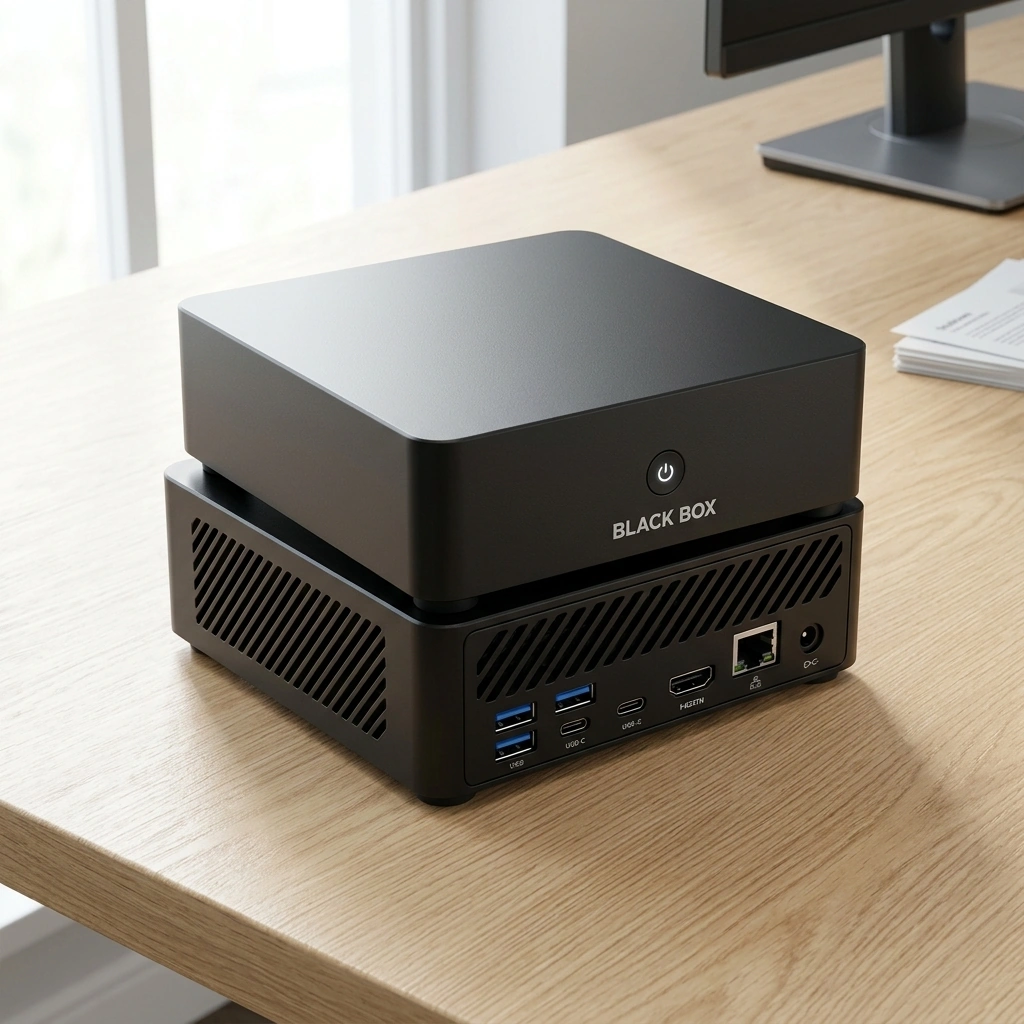

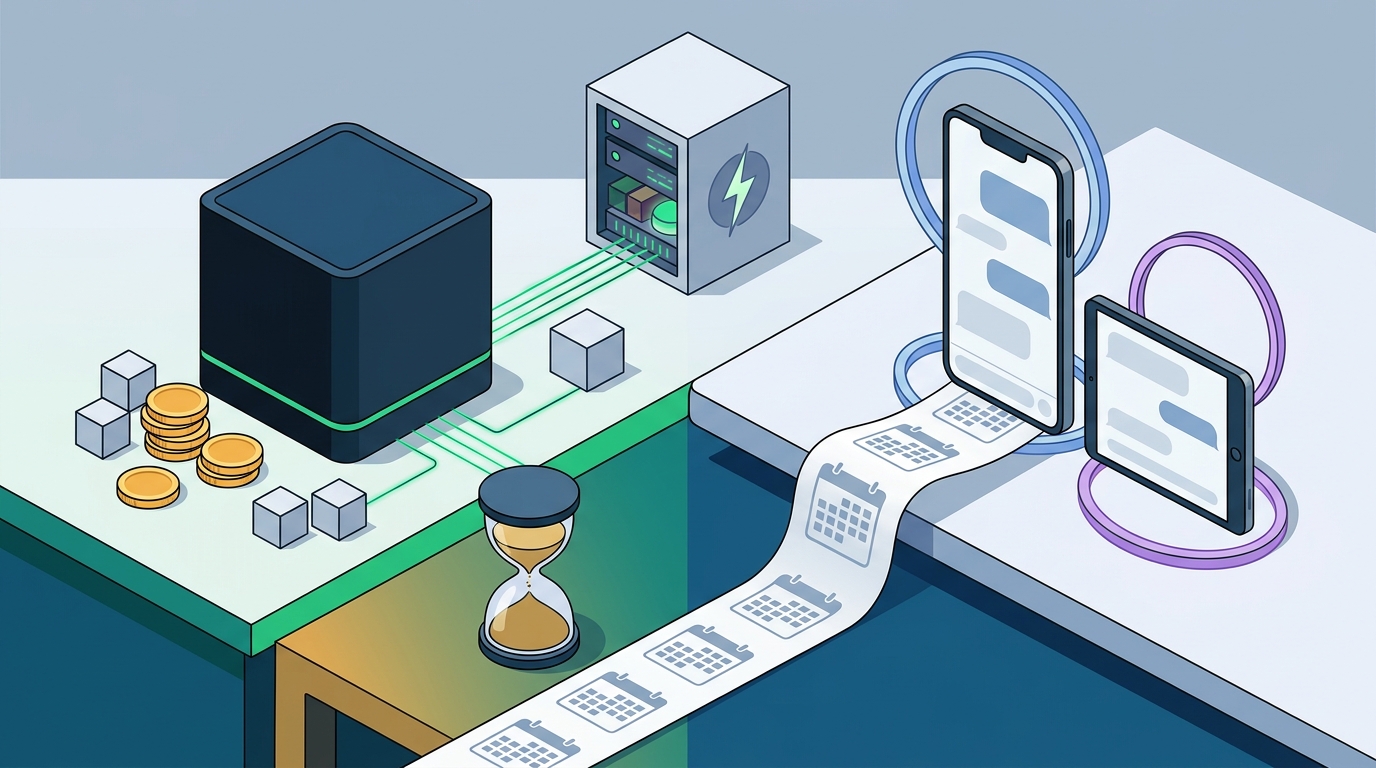
Local AI server cost is a one-time hardware investment, while ChatGPT and Claude subscriptions are recurring monthly fees. For heavy users, local hardware often becomes more economical within 12 to 24 months. This guide compares the total cost of ownership for local AI appliances like the Black Box against popular cloud AI subscriptions. It covers hardware pricing, subscription tiers, and the financial implications of running AI models locally. For additional details, review the .
ChatGPT and Claude Subscription Pricing
Cloud-based AI services operate on a subscription model. Users pay a recurring fee for access to large language models hosted on remote servers. This model eliminates the need for local hardware but introduces ongoing monthly expenses. The cost varies significantly based on the tier of service and the volume of usage. For additional details, review the Customer Experience.
ChatGPT Pricing Tiers
Claude Pricing Tiers
Local AI Hardware Costs
Local AI hardware requires a one-time purchase. The cost depends on the processor, memory, and storage capacity. High-performance local AI appliances are designed to run large language models without internet connectivity. This approach shifts the cost from recurring subscriptions to a capital expenditure. For additional details, review the Frequently Asked Questions.
Black Box Desktop AI
DIY Local AI Builds
Total Cost of Ownership Analysis
Cloud Subscription TCO
Local Hardware TCO
Performance and Capability Considerations
Cost is only one factor in choosing between local and cloud AI. Performance and capability are equally important. Cloud services offer access to the most advanced models, which often outperform local models in complex reasoning and creative tasks. Local hardware provides privacy and control but may have limitations in model size and capability. For additional details, review the About.
Model Size and VRAM Requirements
Privacy and Data Control
Local processing by default, with owner-controlled permissions, is a key advantage of local AI. Data remains on the device, reducing the risk of exposure to third-party servers. This is particularly important for sensitive documents and personal information. Cloud services may use user data for model training, depending on the provider's privacy policy. Users should review the terms of service for any cloud AI subscription to understand how their data is handled.
Cost Comparison Table
| Option | Upfront Cost | Monthly Cost | Annual Cost | 5-Year TCO |
|---|
Key Takeaways
- Local AI server cost is a one-time investment, while cloud subscriptions are recurring monthly fees.
- Local hardware provides privacy and data control, with processing happening on the device.
- Cloud services offer access to the most advanced models, which may outperform local models in complex tasks.
- Users should consider their usage patterns and privacy needs when choosing between local and cloud AI.
Frequently Asked Questions
Is a local AI server cheaper than ChatGPT?
What is the total cost of ownership for the Black Box?
Can the Black Box run the same models as ChatGPT?
How much electricity does a local AI server use?
Is local AI more private than cloud AI?
Local processing by default, with owner-controlled permissions, offers greater privacy than cloud AI. Data remains on the device, reducing the risk of exposure to third-party servers. Cloud services may use user data for model training, depending on the provider's privacy policy. Users should review the terms of service for any cloud AI subscription to understand how their data is handled.
What are the advantages of using a local AI server?
Local AI servers offer privacy, data control, and no recurring subscription fees. They can operate without an internet connection, ensuring availability during outages. Local hardware also allows users to customize and upgrade components as their needs grow. These advantages make local AI a compelling option for individuals and small businesses.
What are the disadvantages of using a local AI server?
Local AI servers require a significant upfront investment. They may have limitations in model size and capability compared to cloud services. Users must manage hardware maintenance and upgrades. Technical expertise may be required for setup and troubleshooting. These factors should be considered when choosing between local and cloud AI.
Is the Black Box suitable for small businesses?
Conclusion
Choosing between a local AI server and cloud subscriptions depends on your usage patterns, budget, and privacy needs. The Black Box Desktop AI offers a competitive total cost of ownership for users who would otherwise subscribe to high-tier cloud plans. It provides the benefits of local processing, including privacy and data control, without the burden of recurring fees. For heavy users, the investment in local hardware pays off within a few years. For light users, cloud subscriptions may remain more economical in the short term. Consider your specific needs and evaluate the options carefully before making a decision. To learn more about the Black Box and its capabilities, visit the Black Box website. Learn more: Black Box Desktop AI.